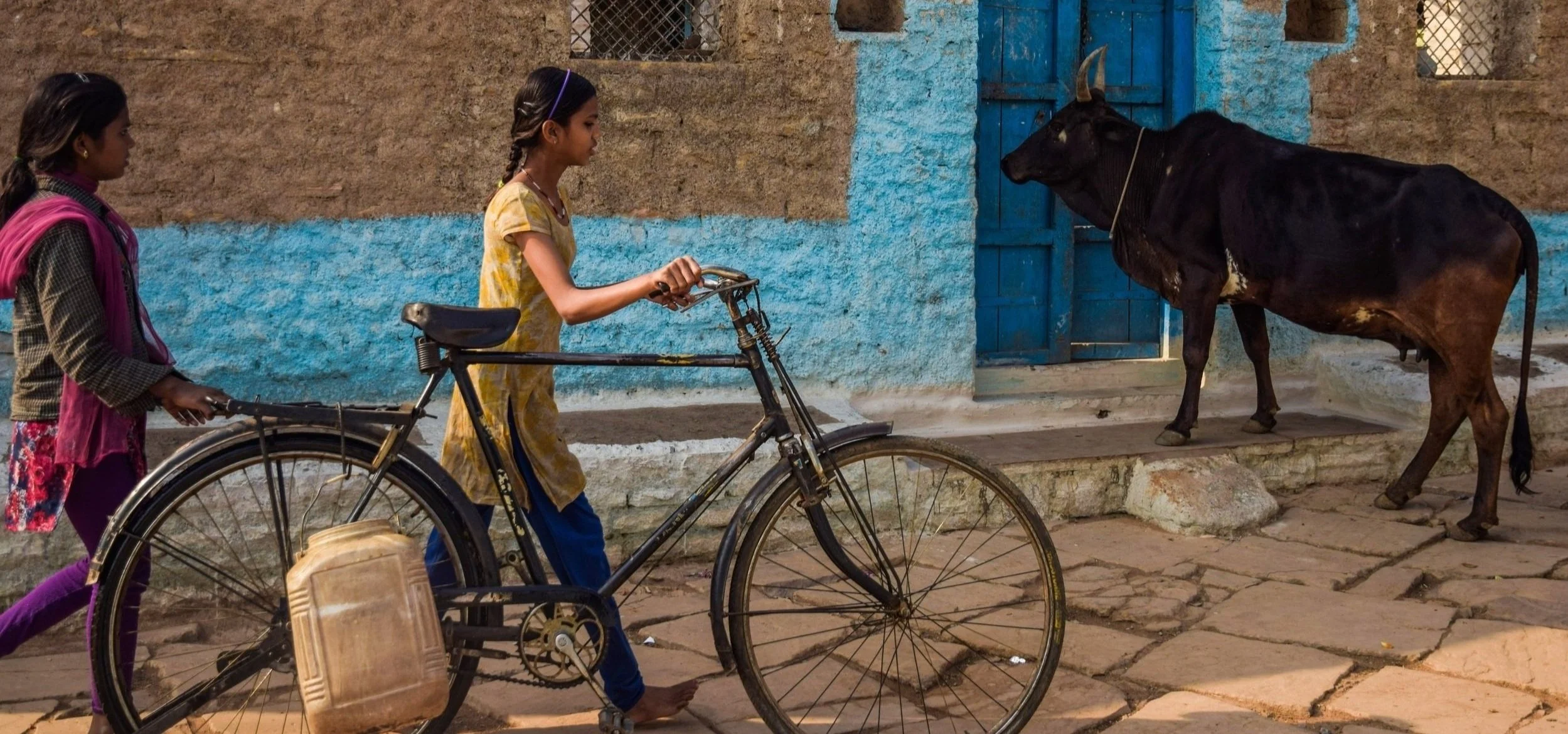
Menstruation is a natural and biological process that begins in every girl around the age of 10-15. It marks the transition of a young girl into puberty, physiological maturation, and womanhood. A fairly natural process that affects half of the world’s population, however, has high social significance in India. Most stigma about menstruation is caused by myths and misconceptions that have been passed down for many generations. This stigma makes it difficult to not only address menstrual poverty but, also to spread awareness, educate, and clear misconceptions. In fact, 71% of girls in rural areas report having no knowledge of menstruation before their first period.
Menstrual poverty includes a lack of access to hygienic menstrual products, sanitary conditions, and most importantly lack of education on how to access and utilize the available resources. 71.4% of women (15-24 years) use a cotton cloth in order to manage bleeding instead of using pads or tampons. Though it stops the bleeding, it leaves women susceptible to a host of urogenital and reproductive health challenges. This is largely due to the fact that these cotton cloths are being washed with unclean water and without soap, and then dried in closed rooms away from open air, leading to the accumulation of bacteria on these cloths. The chance of infection increases with each cycle that they reuse the cotton cloth, which then puts them at a higher risk of having urogenital reproductive infections. One study found that a lack of access to private spaces with clean water was the most prominent reason for Urinary Tract Infection (UTI) incidence. Another study found that women in rural areas using unhygienic sanitary pad methods had higher incidence of fertility issues.
Current advocacy efforts have drastically altered the progression of this situation. In June of 2010, the Indian government passed a bill to subsidize sanitary napkins for rural women, to eliminate the financial barrier associated with accessing menstruation products. However, this solution failed to take into account a host of other issues associated with poor menstrual hygiene: regular supply, privacy, clean water, disposal of napkins, and most importantly, education about the significance of wearing pads. In addition, women found it difficult to visit general stores and ask male shopkeepers for pads and tampons because of the continuing social stigma. It was the identification and research surrounding these issues, that prompted our team to try and ameliorate the situation in any way that we could. Thus, began PadSeva.